Setting out
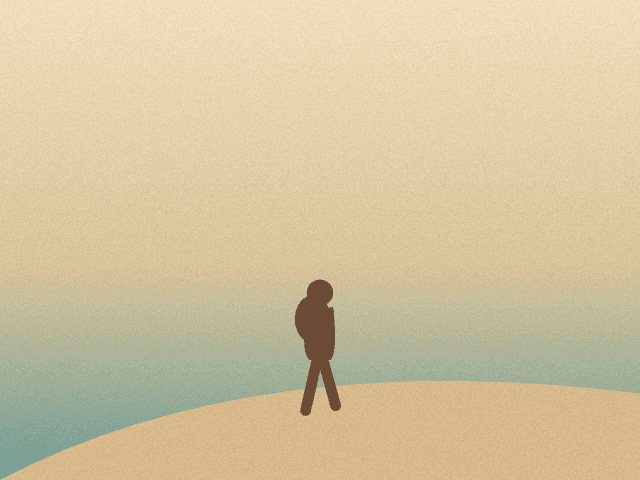
The first steps always feel too small for something this big. We packed light, said our goodbyes, and turned toward the water. Reva on our right from here on.
Narmada Parikrama · on foot
The Narmada Parikrama is a walk people take at a turning point in their lives. Ours is now.
If you'd like to chip in for shoes, shelter, or a meal along the way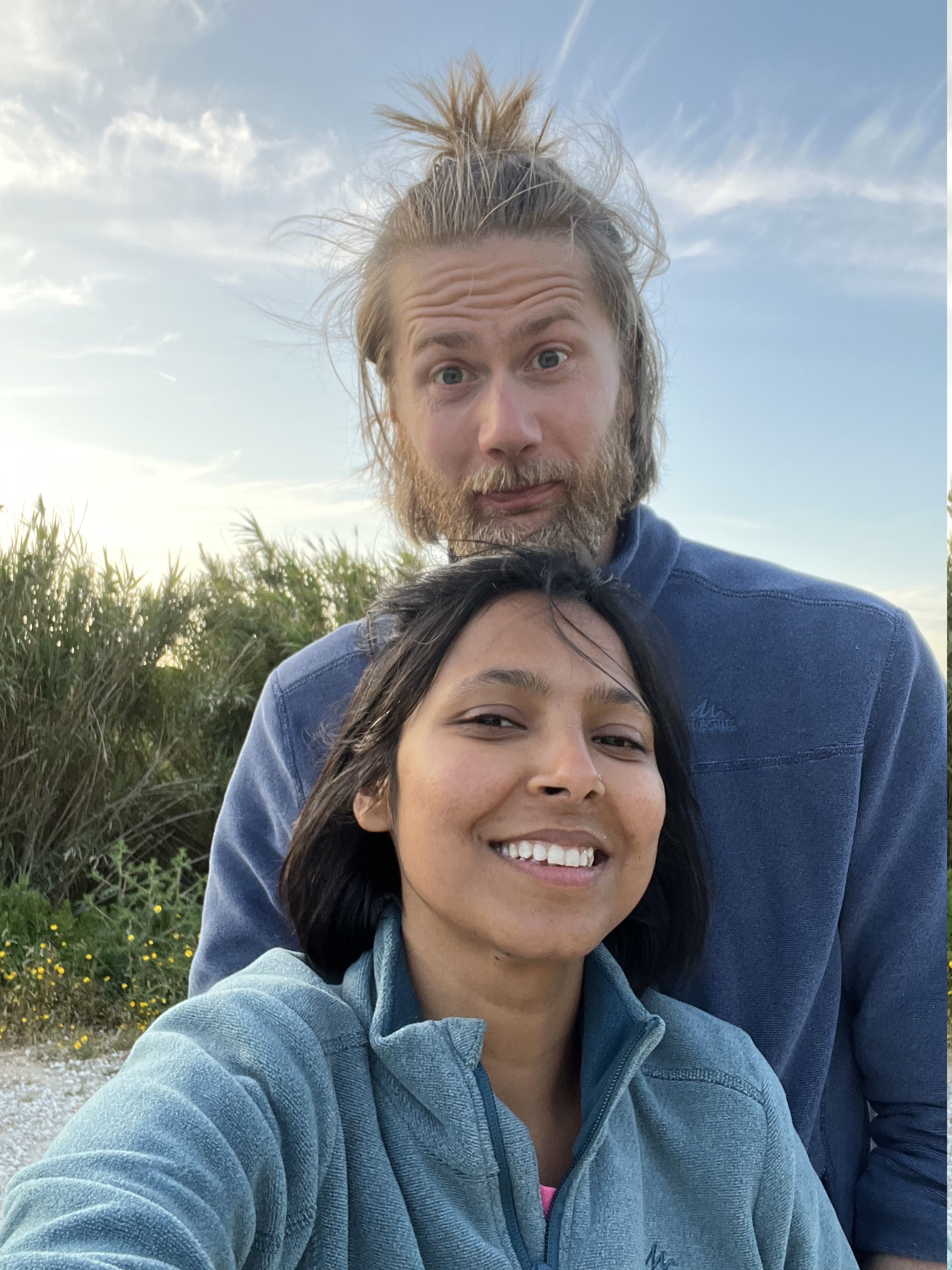
The walk
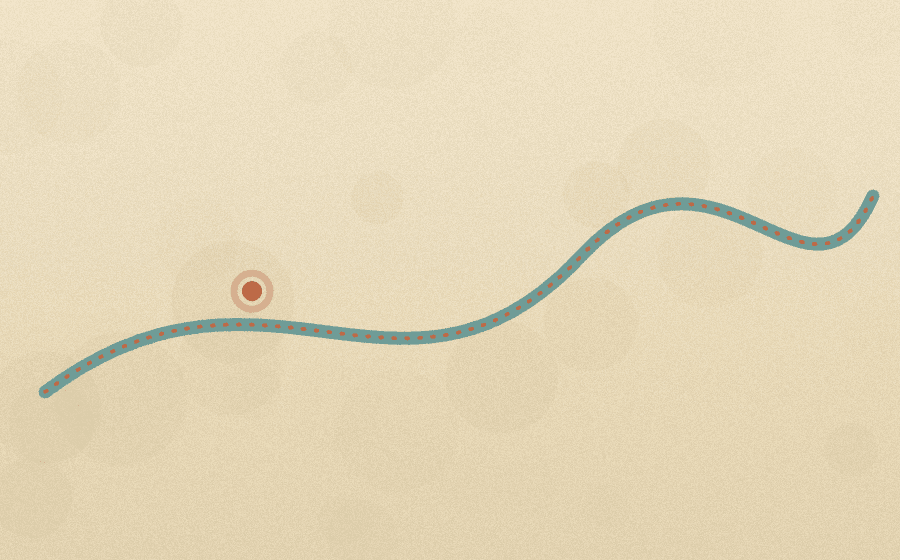
3,000 km in all · the first steps are close.
The first steps always feel too small for something this big. We packed light, said our goodbyes, and turned toward the water. Reva on our right from here on.

The rhythm of walking has a way of rearranging how the days feel. Fewer decisions, more attention. We wake, we eat what is offered, we walk.

We keep hearing that the river will look after those who walk her. So far it has been true: a floor to sleep on, dal and rice, a cup of chai pressed into our hands.
✷ More notes coming soon
Who we are
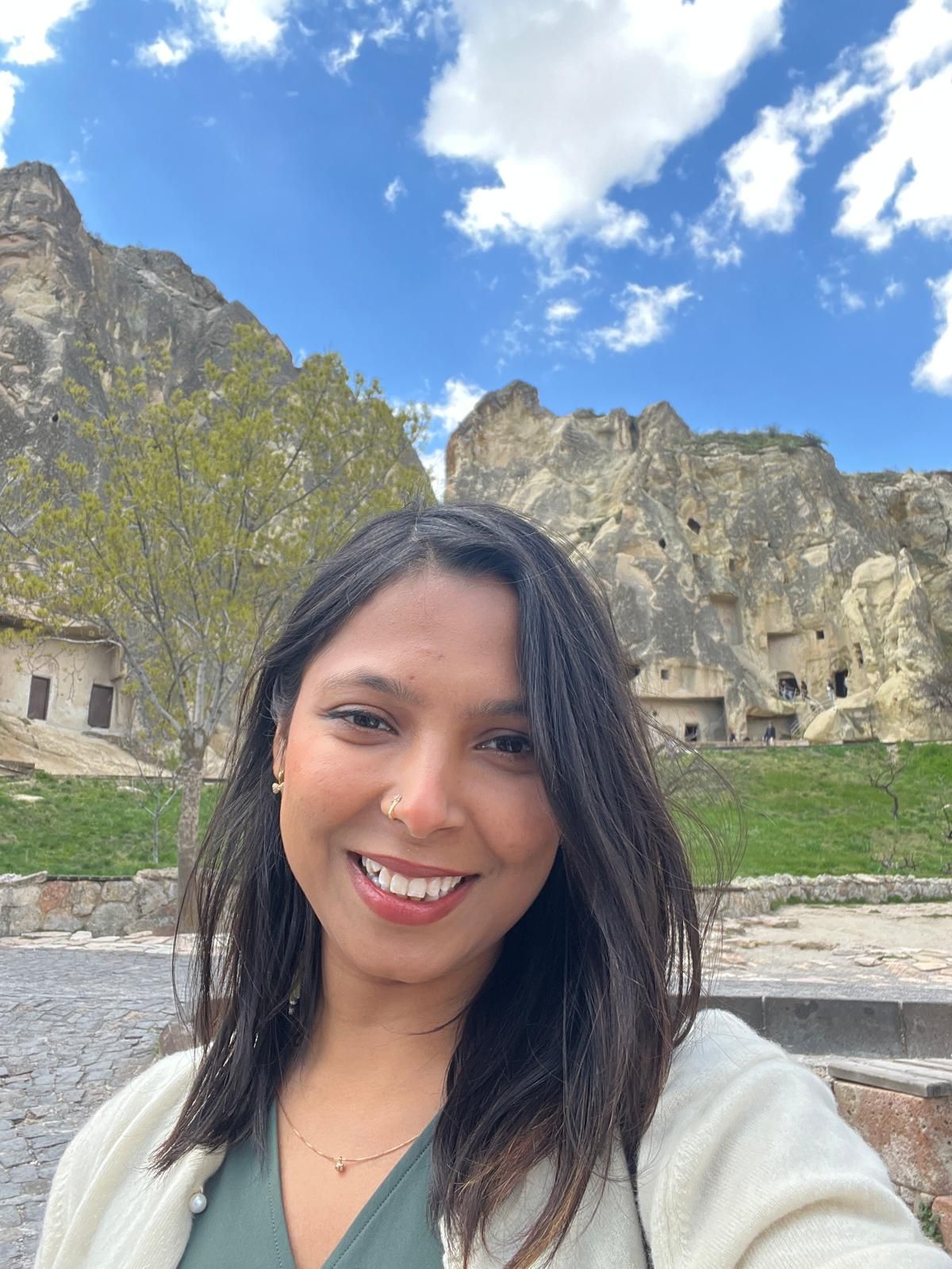
Indian, raised within reach of the Narmada. For her the walk is a return, toward something that has always felt like home.
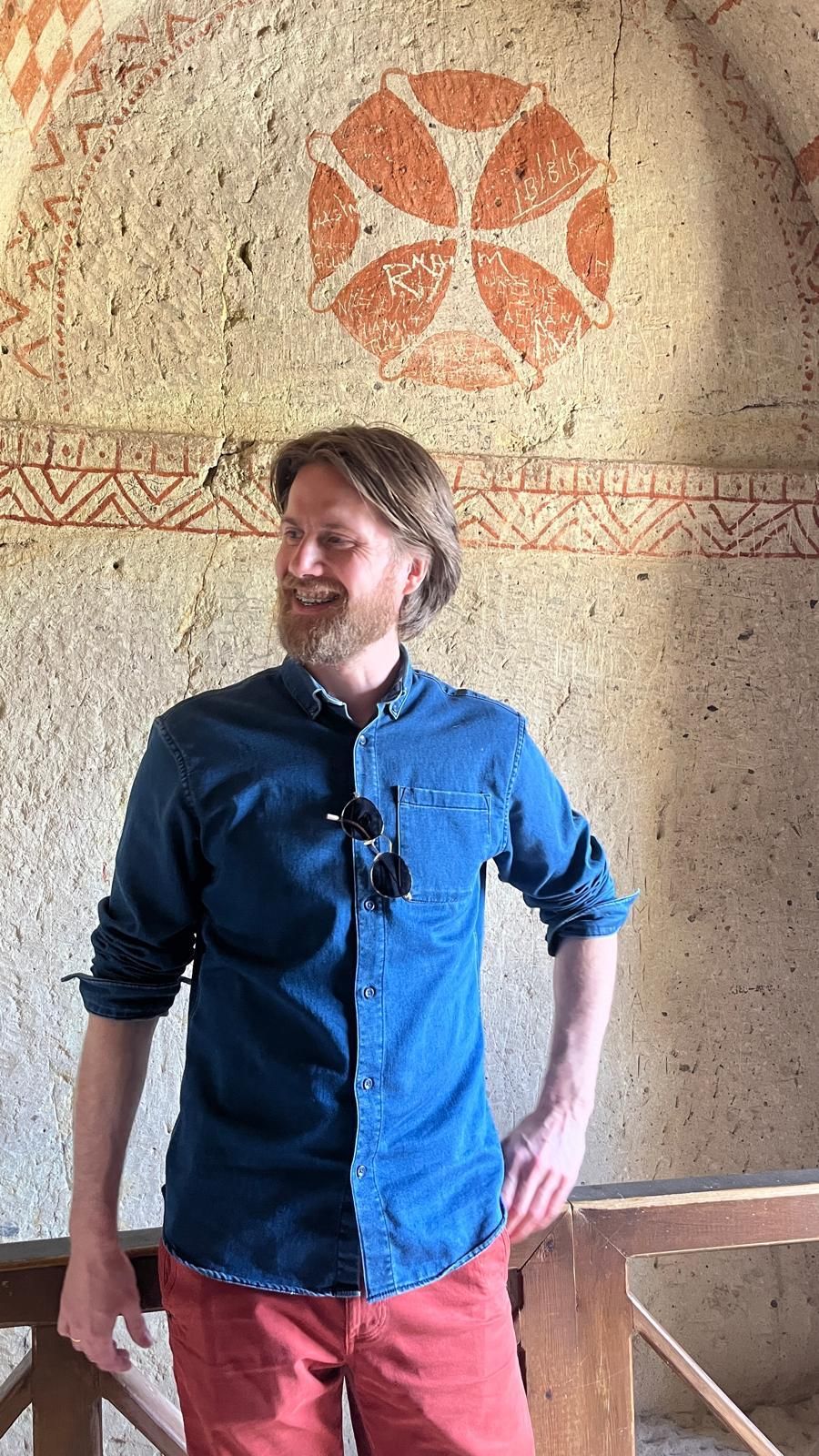
Dutch, raised among flat fields and grey skies. For him the walk is an arrival, toward everything that is new.
We're almost halfway through our lives, and it just feels right. We almost bought a house, and somewhere in the paperwork we realised we didn't want to be EMI people with a big house and a fancy job. We're done complaining about a life that keeps us busy but doesn't feel like ours anymore. The walk is a way of testing something simple: can we show up each day, respond to what's in front of us, and trust the path?
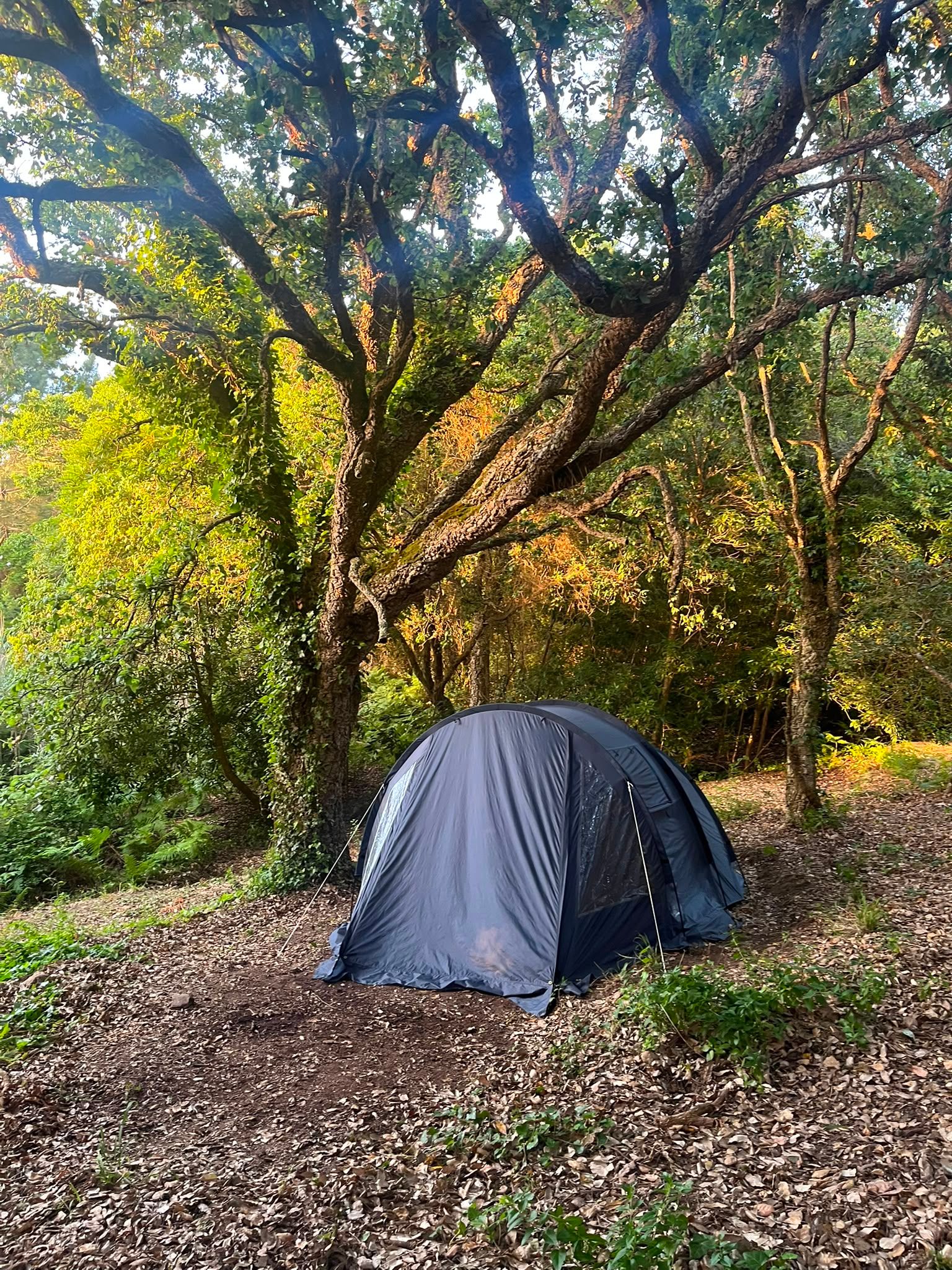
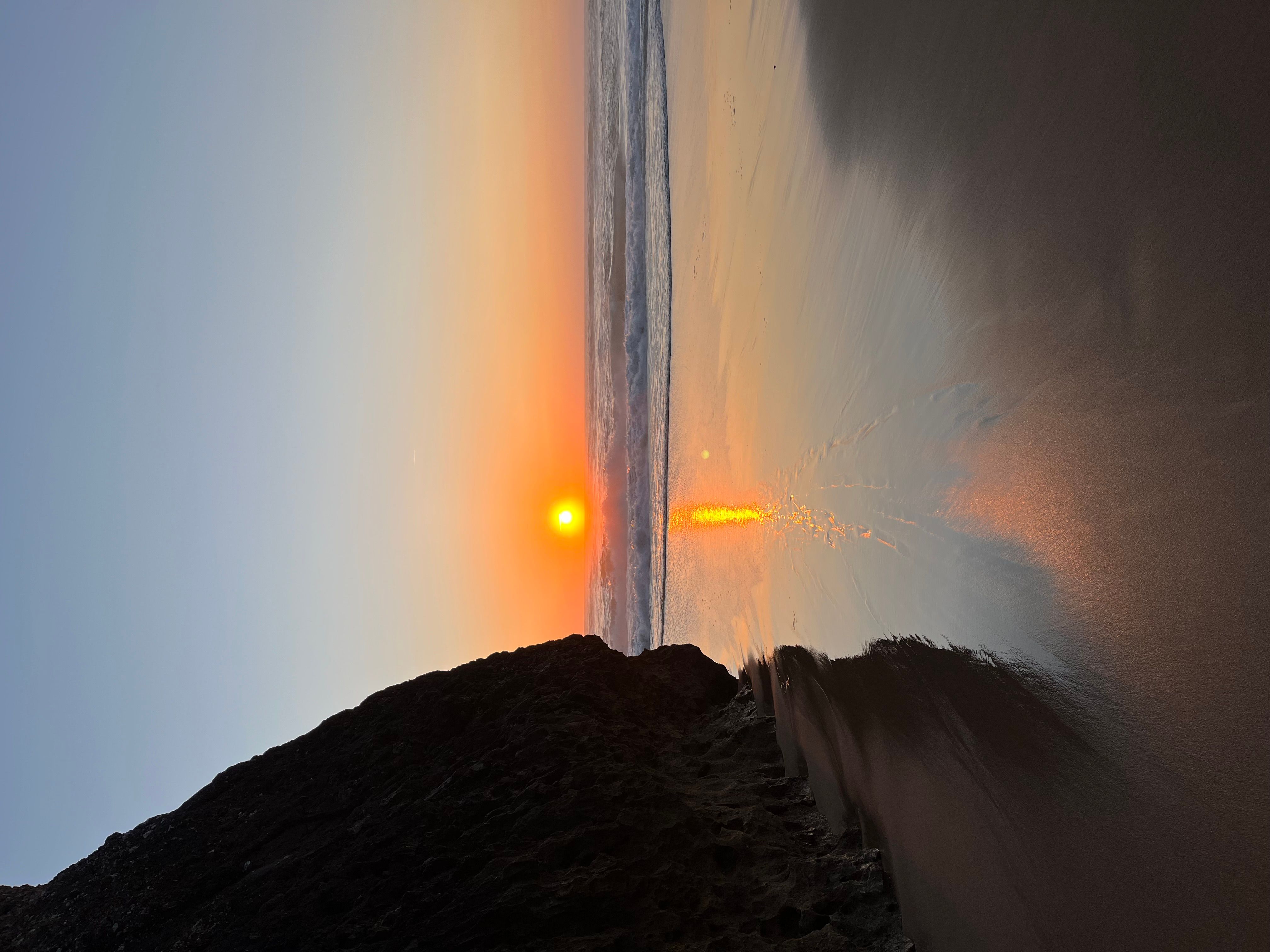
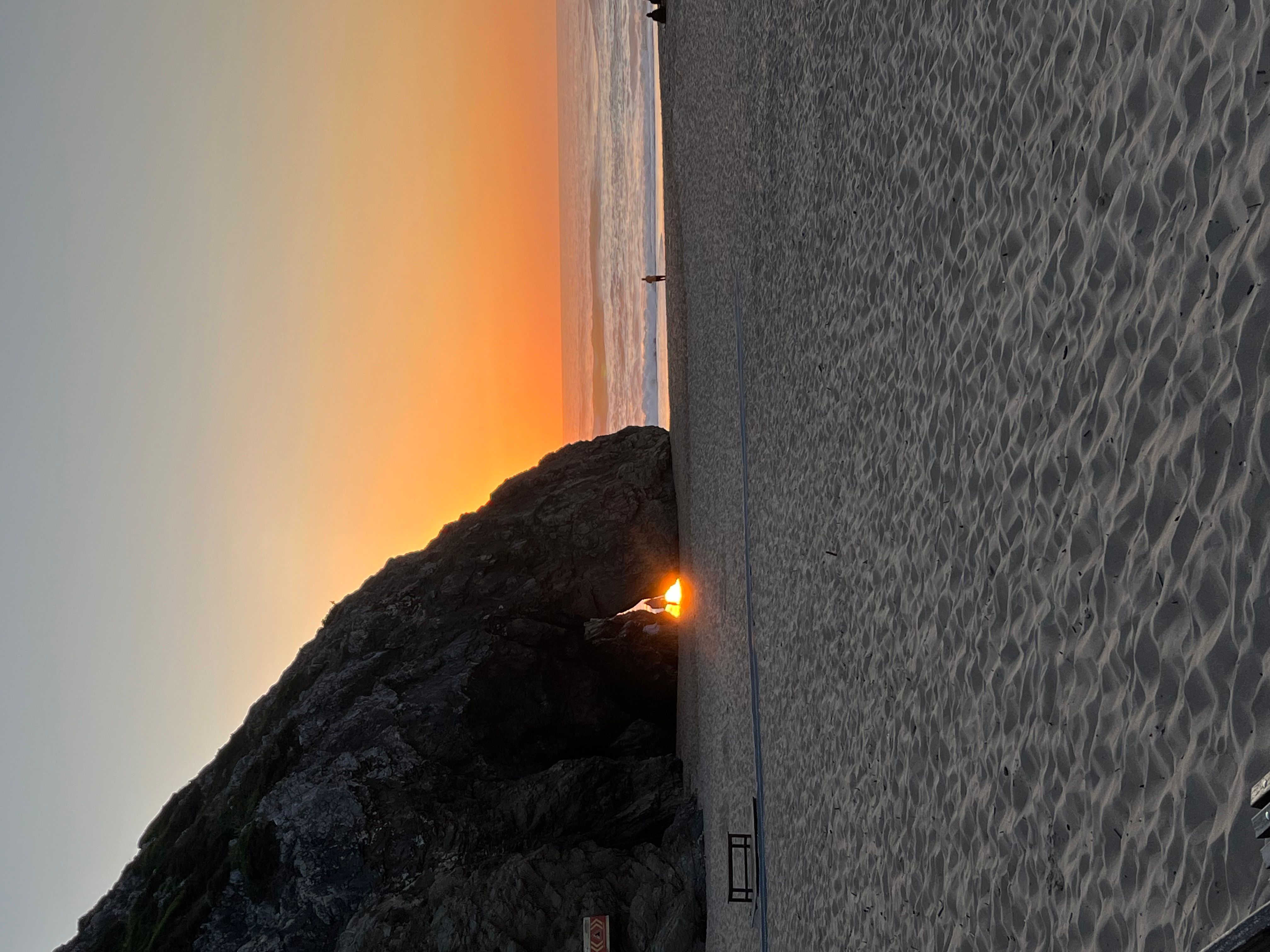
Where it began · a summer in Portugal
What the parikrama is
It's circular: there is no finish line, nothing to complete. It's devotional, part of a living practice that still belongs to the people who walk it. And it's Indian. A return for one of us, an arrival for the other, and a question we both carry: is this home? Was it ever?
People walk it to be, not to learn or prove anything. Some are letting go of grief, of a job that stopped fitting, of a self that stopped fitting. Others walk because their devotion asks them to.
You depend on people the whole way: for food, for a place to sleep, for help. Circle a river in exchange for almost nothing.
That line holds the whole thing.
Reva is the river's older name. Tradition asks you to keep her on your right the whole way round.
Our dream
As we move through villages and follow the river, we'll listen more than we plan. The walk itself will shape what Mushi Bagh becomes.
The walk is the first deliberate step toward making Mushi Bagh real.
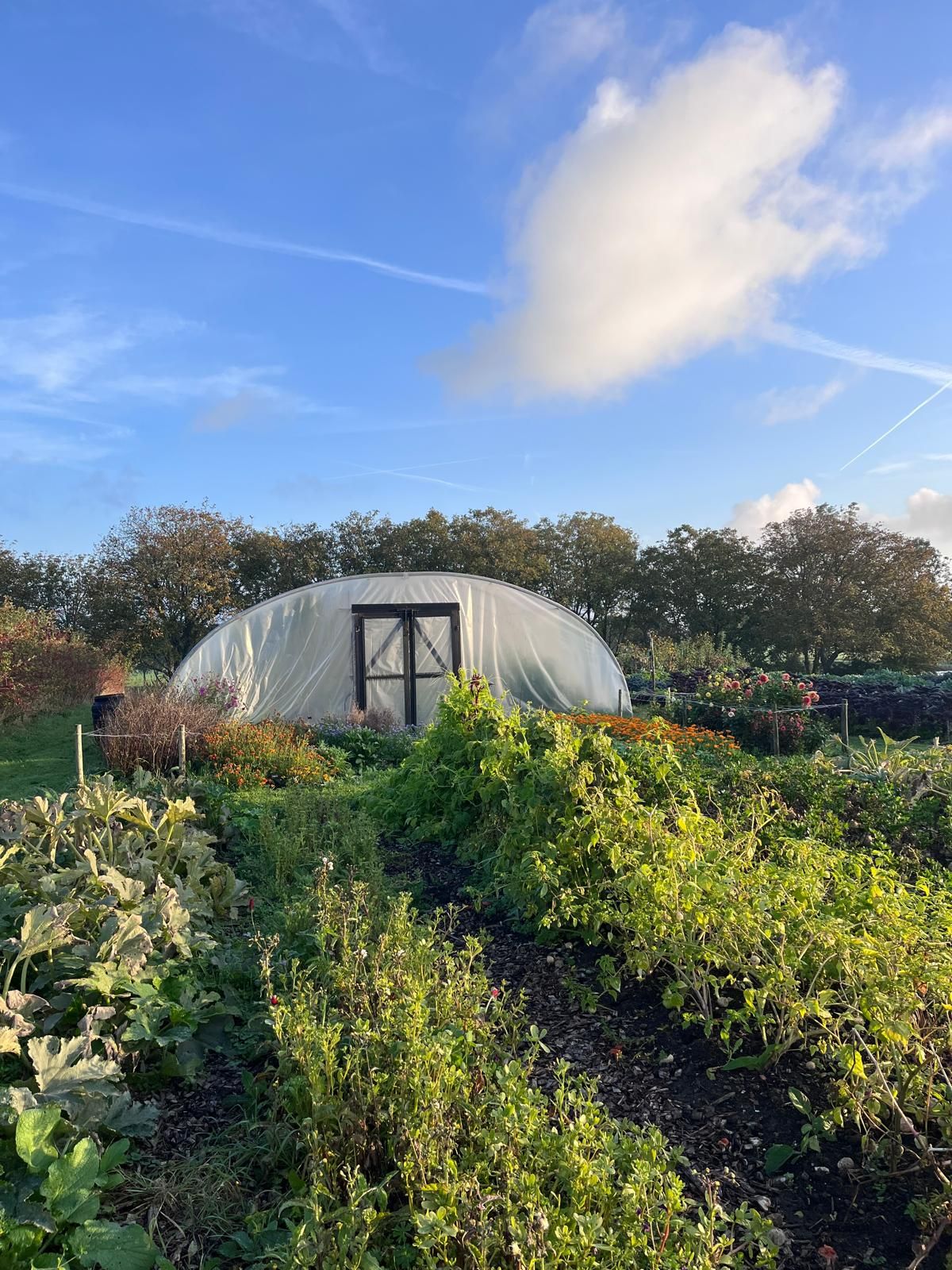
When I think of Mushi Bagh, I don't see a finished place. I see moments.
I see a child standing still long enough to watch ants cross the soil. I hear goats, birds, and laughter moving through the day. I imagine food being cooked slowly, shared under trees, and eaten without hurry.
Mushi Bagh grows from a memory that has stayed with me since childhood: of feeling safe enough to imagine. Of watching ordinary life unfold and sensing that it was quietly magical. Chickens running. Grass moving in the wind. Mangoes dangling from the trees. Sunlight filling the hours.
Japanese
The tiny forms of life that make everything possible: insects, microbes, fungi, worms.
Hindi
Tiger. I love that the mightiest presence in the forest exists only because of what is small and unseen.
That is how I imagine Mushi Bagh: a place shaped by the invisible and the ordinary. Land treated as alive. Children who can play, read, and feel safe enough to dream. Women, food, and everyday work given their real worth. And a rhythm set by the river and the region, not by a schedule.
I don't have micro-plans for Mushi Bagh. That is deliberate. It begins with land, and with making room for imagination and care to take root.
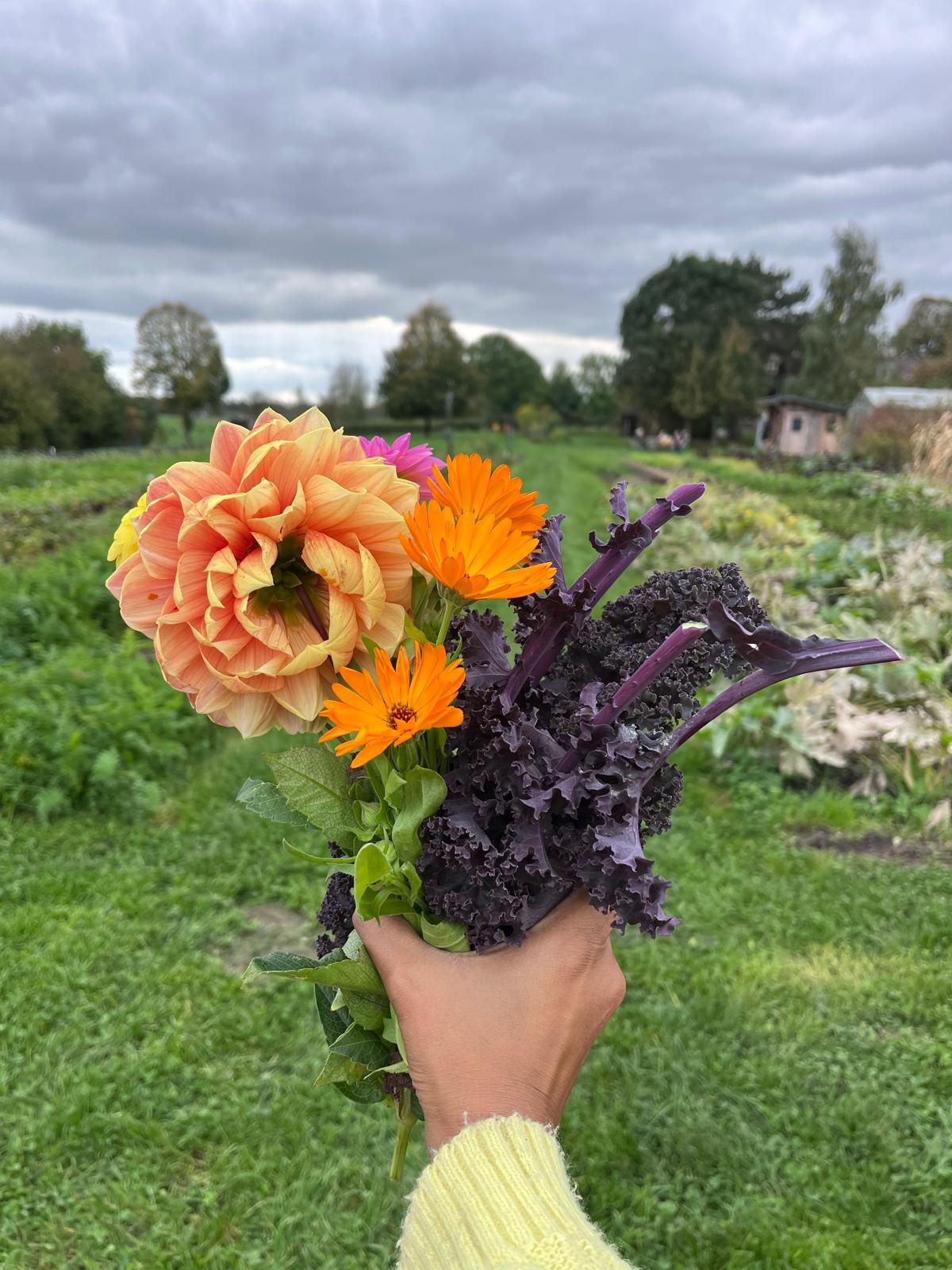
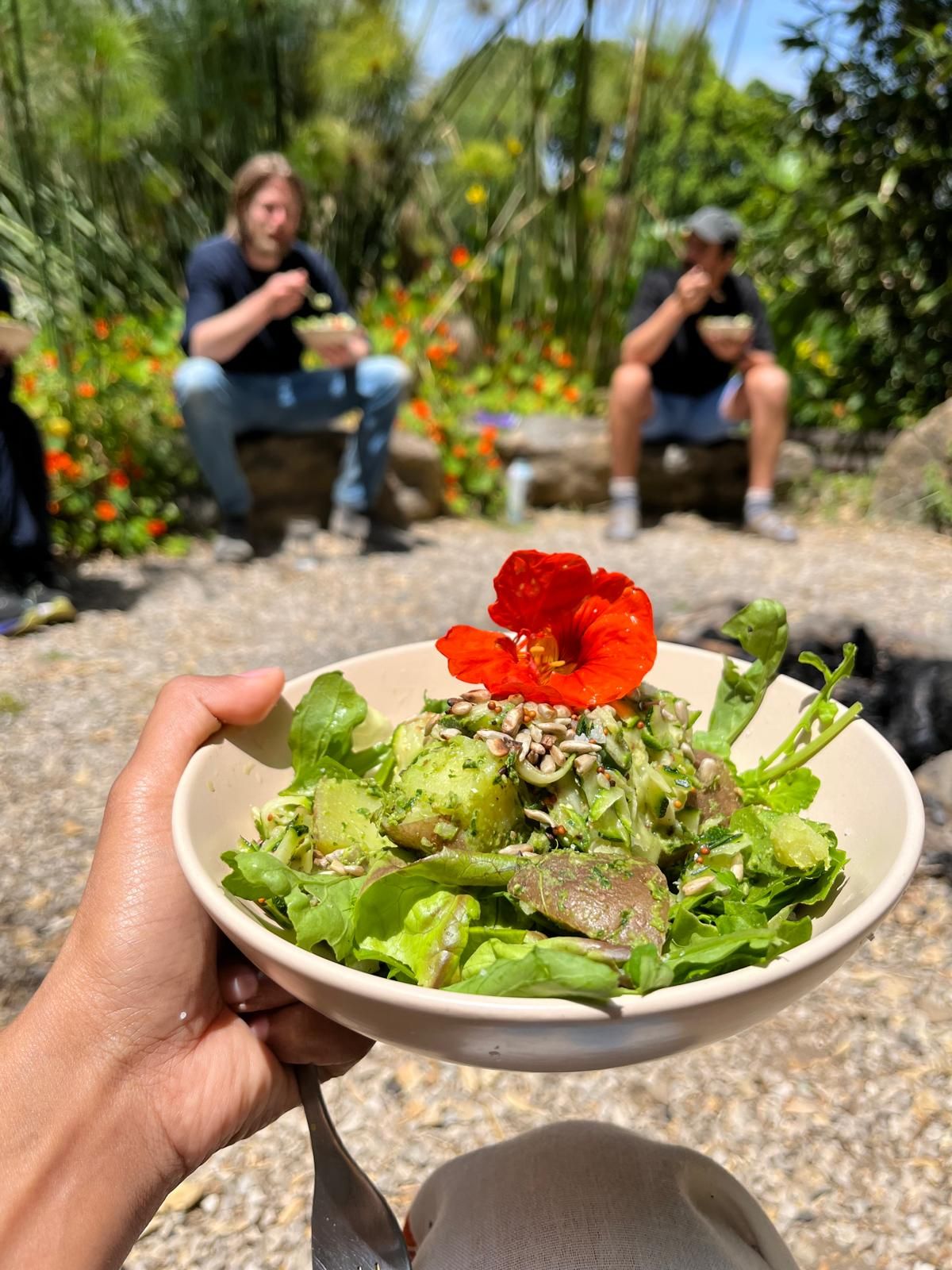
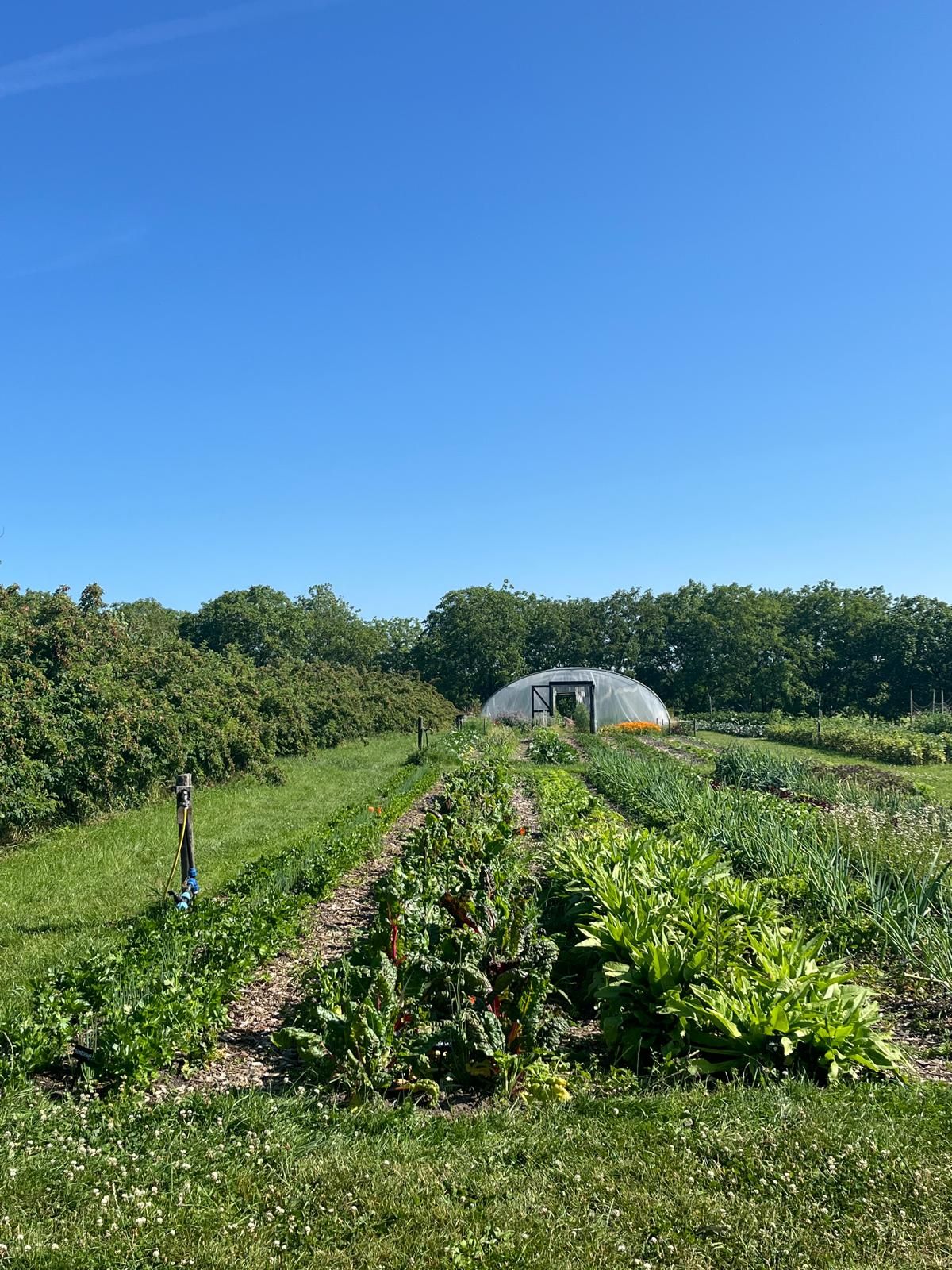
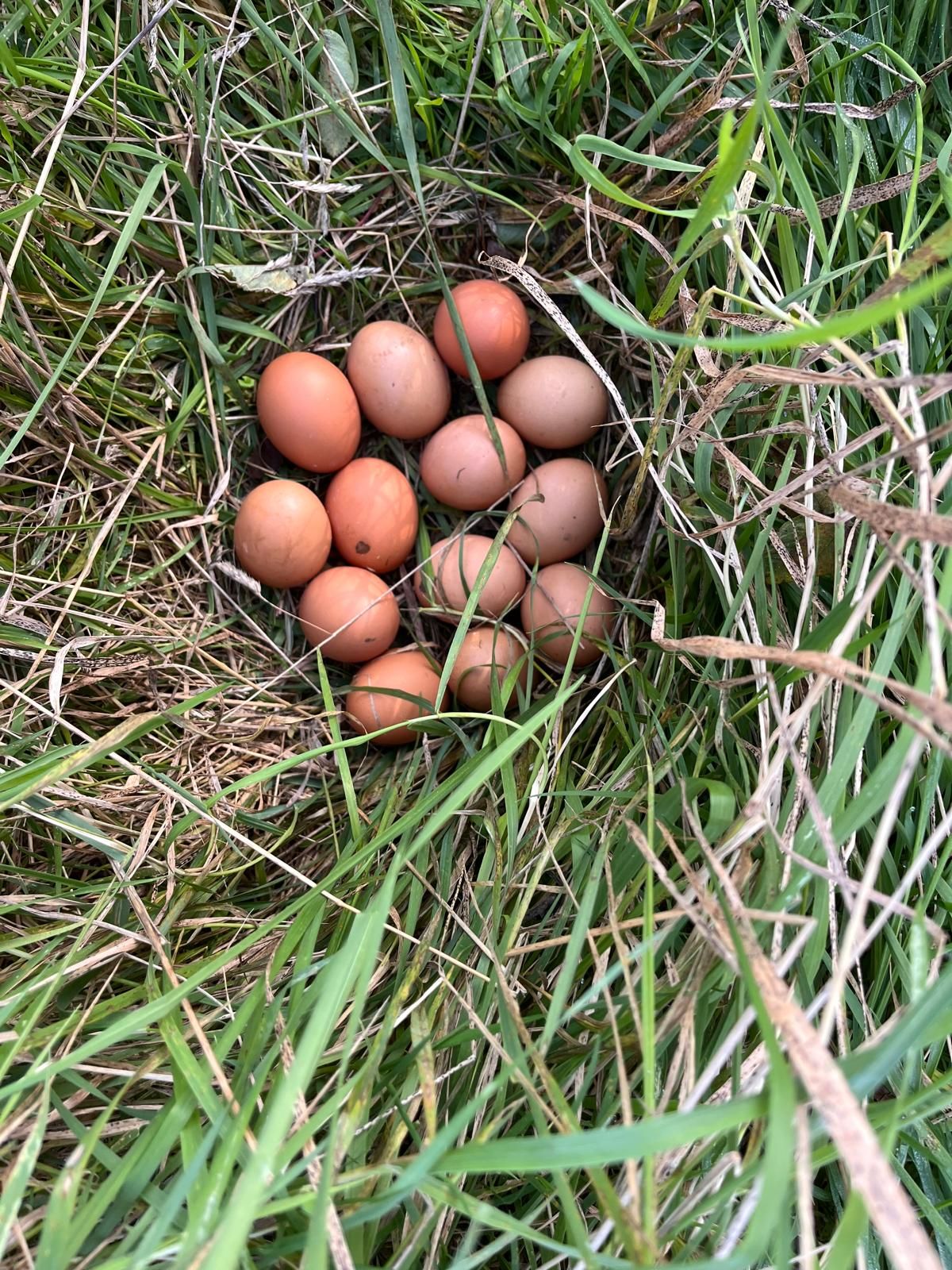
Kindred spirits · where we look for the shape of it
Be part of it
The walk runs on kindness. If you'd like to travel with us in spirit, any of these means the world.
A good book for the road, left at a post office or a café anywhere we might pass.
A name in a village along the Narmada, someone who might share a meal or a floor to sleep on.
A place to rest, a warm meal, a story told over dinner.
Write to us. A postcard waiting somewhere ahead is its own small miracle.